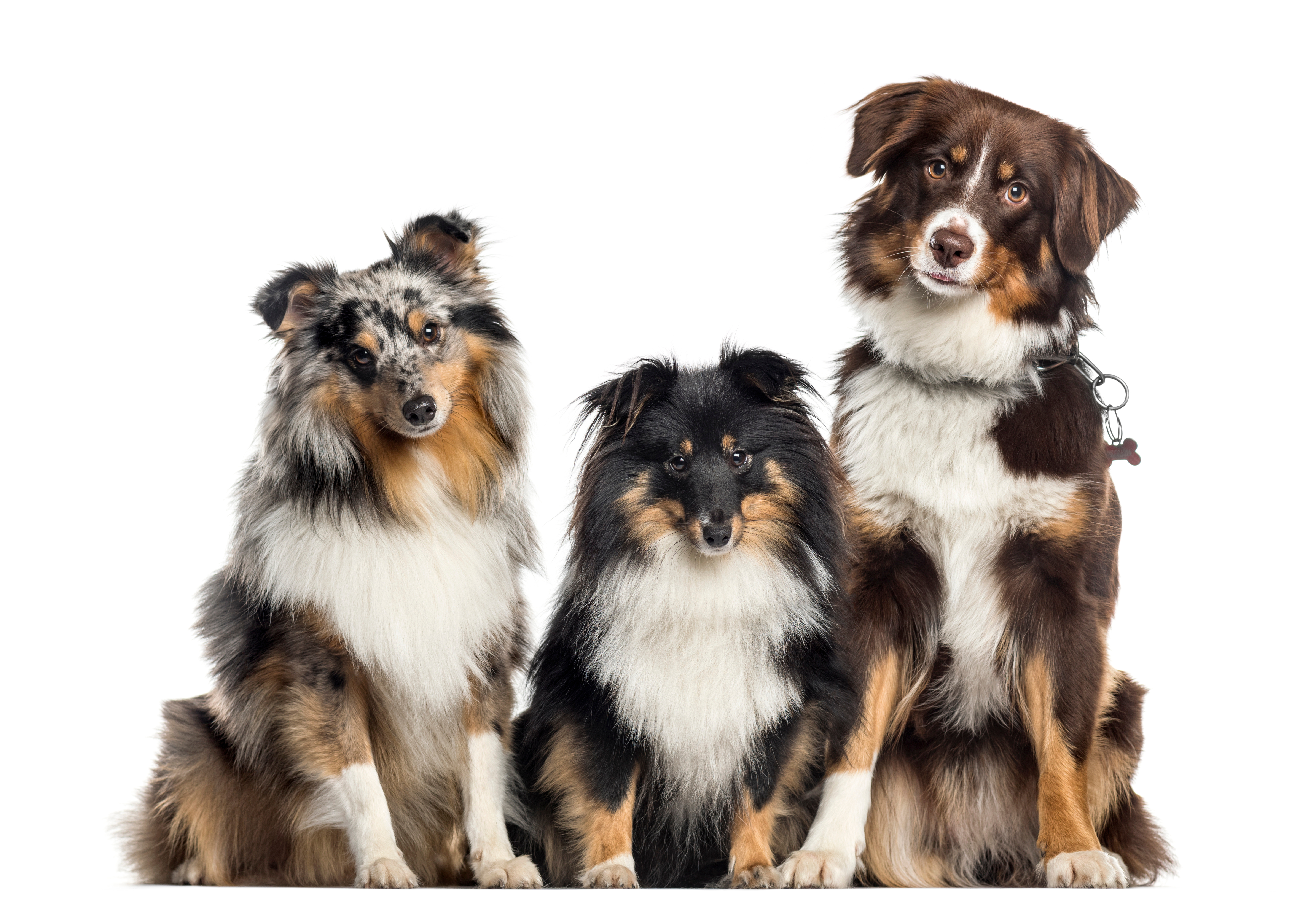
You picked the breed for the look. Maybe the size. Maybe because your neighbor had one and it seemed so calm. Now your dog is chewing through walls, herding your children at 6am, barking at nothing, and digging a trench in the backyard. No one told you what this animal was actually built to do.
This is the most common and most preventable source of dog rehoming in America. Not bad dogs. Not bad families. A catastrophic mismatch between what the family needed and what the breed was engineered — over centuries — to be.
Every Breed Was Built for a Job
The AKC recognizes over 200 breeds across 7 groups. The FCI — the international standard — organizes dogs into 10 groups spanning 57 recognized disciplines. Each discipline represents centuries of intentional breeding selection for specific behaviors: herding, scent tracking, protection, retrieval, endurance running, vermin control, water rescue.
A Border Collie herds because its ancestors were selected over generations to stare down livestock, anticipate movement, and cover miles of ground without rest. That behavior doesn't disappear in a suburb. It redirects — to children, to other animals, to moving vehicles, to anything that triggers the instinct the dog was built around.
A Siberian Husky was designed to run 100 miles in sub-zero temperatures while pulling weight. It doesn't become a couch dog because you live in Phoenix. It becomes a destruction machine looking for an outlet its environment can't provide.
The Mismatch That Fills Rescue Shelters
Shelters across the country report the same patterns. Herding breeds surrendered because they're "aggressive" — what their families experienced as aggression was herding behavior directed at toddlers. High-energy working dogs surrendered because they're "uncontrollable" — uncontrollable without the 2-3 hours of daily physical and mental exercise their drive demands.
An estimated 23% of dogs surrendered to shelters are surrendered within the first year of ownership. Breed mismatch is the leading stated reason. Not biting. Not illness. The family couldn't meet the dog's needs — because no one explained what those needs were before the purchase.
The Disciplines That Surprise People Most
Terriers were bred to hunt and kill. That prey drive doesn't vanish with apartment living. Small animals — rabbits, cats, hamsters — are often at risk around terriers in ways families didn't expect.
Livestock guardian breeds — Great Pyrenees, Anatolian Shepherds, Kangals — were built to work independently, overnight, without human direction. They bark. Constantly. At night. That's the job. A family expecting a quiet, obedient companion gets a dog that will alarm-bark at 3am because it's doing exactly what 3,000 years of breeding intended.
Scenthounds — Beagles, Bloodhounds, Basset Hounds — follow their nose, not your command. Off-leash in an unfenced area, they're gone the moment a scent hits. This is not a training failure. It's genetic prioritization that no amount of recall training fully overrides.
Making a Match That Works
The right question isn't "what breed do I like?" It's "what does this breed need, and can I honestly provide it?"
A responsible breeder will tell you when their breed isn't right for your situation. That honesty — the willingness to turn away an inquiry that isn't a good fit — is one of the clearest signals that you're dealing with someone who puts the dog first.
When you search a breeder or rescue, look at what they've shared about their dogs' drives and needs. Look at whether their profile includes temperament notes, not just photos. The information that saves you from a mismatch is right there — if someone bothered to document it.
Don't Guess. Check.
Before you send money, before you fall in love, before you bring a dog home — check the record. Search 1,700+ breeders, rescues, and shelters.
Check the Record