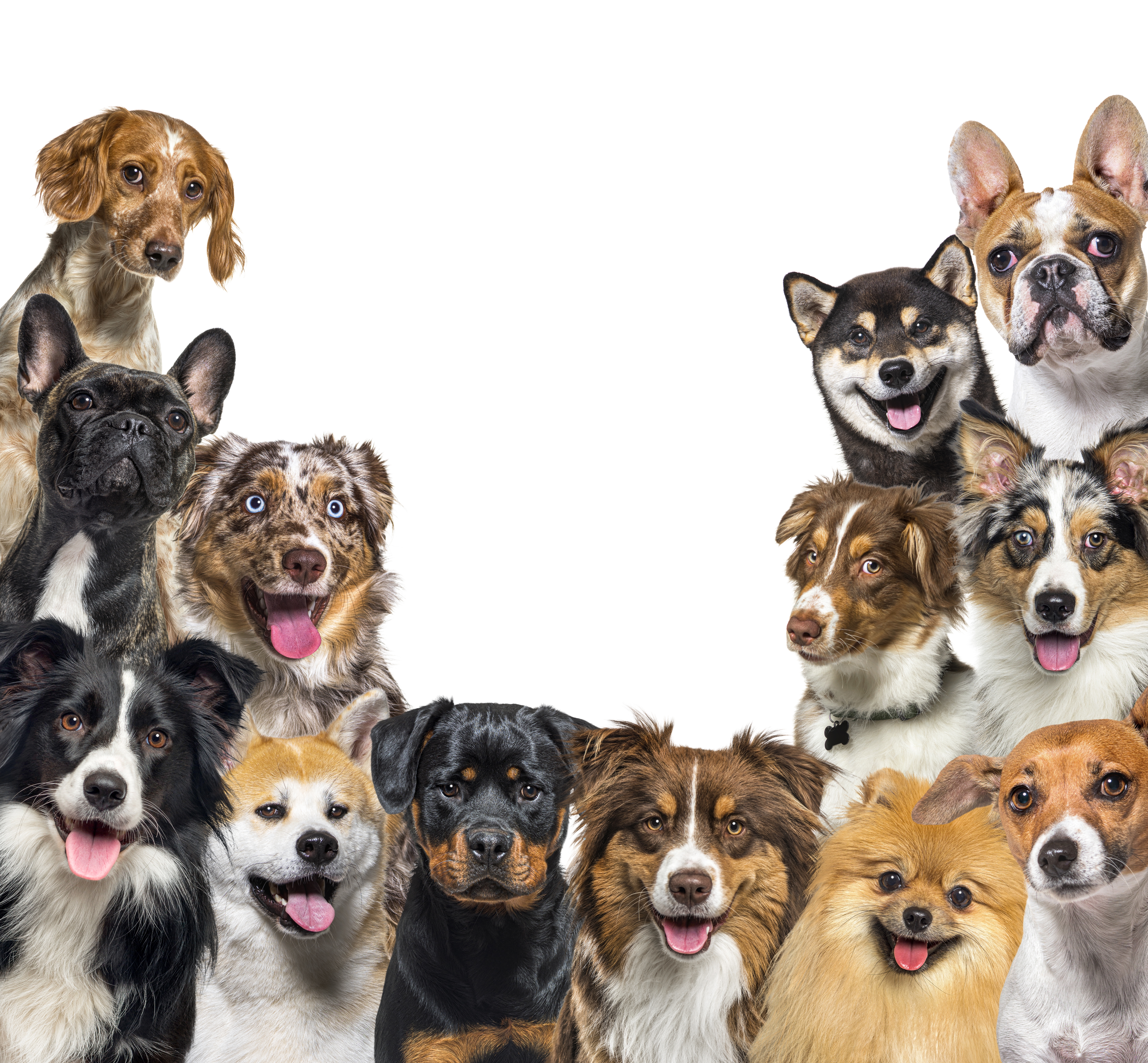
Shelters are filling back up. The pandemic adoption wave that emptied facilities in 2020 and 2021 has reversed — and the animals coming back aren't the ones shelters expected. Many are dogs that families adopted during lockdown, bonded with deeply, and are now surrendering as life returned to normal. The lesson buried in these numbers is about what nobody checked before they adopted.
Shelter Animals Count released its 2025 annual data report in early 2026, marking a decade of national sheltering data. About 2.8 million dogs entered shelters in 2025. Approximately 2.1 million were adopted or transferred. The gap — around 700,000 animals — represents the crisis the headline numbers obscure.
The Pandemic Hangover Nobody Predicted
When shelters emptied in 2020, it looked like a revolution. Adoption advocates celebrated. Dog populations in shelters hit historic lows. For a moment it seemed like the problem might be solved.
What actually happened: a massive cohort of pandemic-era adopters got dogs under conditions — full-time home presence, reduced commutes, unlimited time — that bore no resemblance to their normal lives. When offices reopened, when kids went back to school, when travel resumed, the dogs who had been raised in constant human company found themselves alone for 10 hours a day.
Separation anxiety diagnoses in dogs spiked 34% between 2022 and 2024. Shelter surrender rates among dogs adopted in 2020-2021 ran higher than any comparable adoption cohort in the decade prior. Not bad dogs. Not bad families. A mismatch built on incomplete information and unrealistic conditions.
What the Intake Numbers Hide
National intake data of 2.8 million sounds manageable against 2.1 million adoptions. The problem is geography and timing. Urban shelters on both coasts remain at manageable capacity. Rural and Midwestern shelters — already underfunded and understaffed before the pandemic — are running at 140-160% capacity in 2026.
Transport programs that moved animals from overwhelmed rural shelters to adoption-hungry urban markets during the pandemic helped for a few years. Now those urban markets are saturated, and the transport pipeline has slowed. The dogs that can't be moved are waiting longer. Euthanasia rates in resource-constrained shelters have ticked up for the first time since 2016.
The headline numbers say the system is roughly in balance. The ground-level reality in specific regions is a genuine crisis in slow motion.
What Responsible Adoption Looks Like in 2026
The shelters and rescues doing the best work in this environment are the ones investing in honest intake documentation. Behavioral assessments that are actually shared with adopters — including challenging notes, not just highlights. Medical histories that travel with the animal. Foster family observations about real-world behavior, not just shelter behavior.
Adopters who receive complete information before they commit return dogs at dramatically lower rates than adopters who got a photo and a personality summary. This isn't surprising. It's what informed decision-making produces.
The shelters still struggling treat their intake documentation as a liability — information that might slow an adoption. The shelters thriving treat it as the foundation of every successful placement.
Before You Adopt: What to Ask
Ask for the dog's full intake history. Ask what behavioral assessment was done and what it showed — all of it, not a summary. Ask about any returned or failed placements in the dog's history. Ask what the dog was like in foster care versus the shelter environment.
An organization that has good answers to these questions is an organization that will back you up if things get hard. One that deflects or minimizes is sending you home with incomplete information.
The check takes five minutes. The consequences of skipping it can last years.
Check the DogFacts
The people who check don't regret it. Search any breeder, rescue, or shelter — see what's been shared, see what's missing.
Search Now