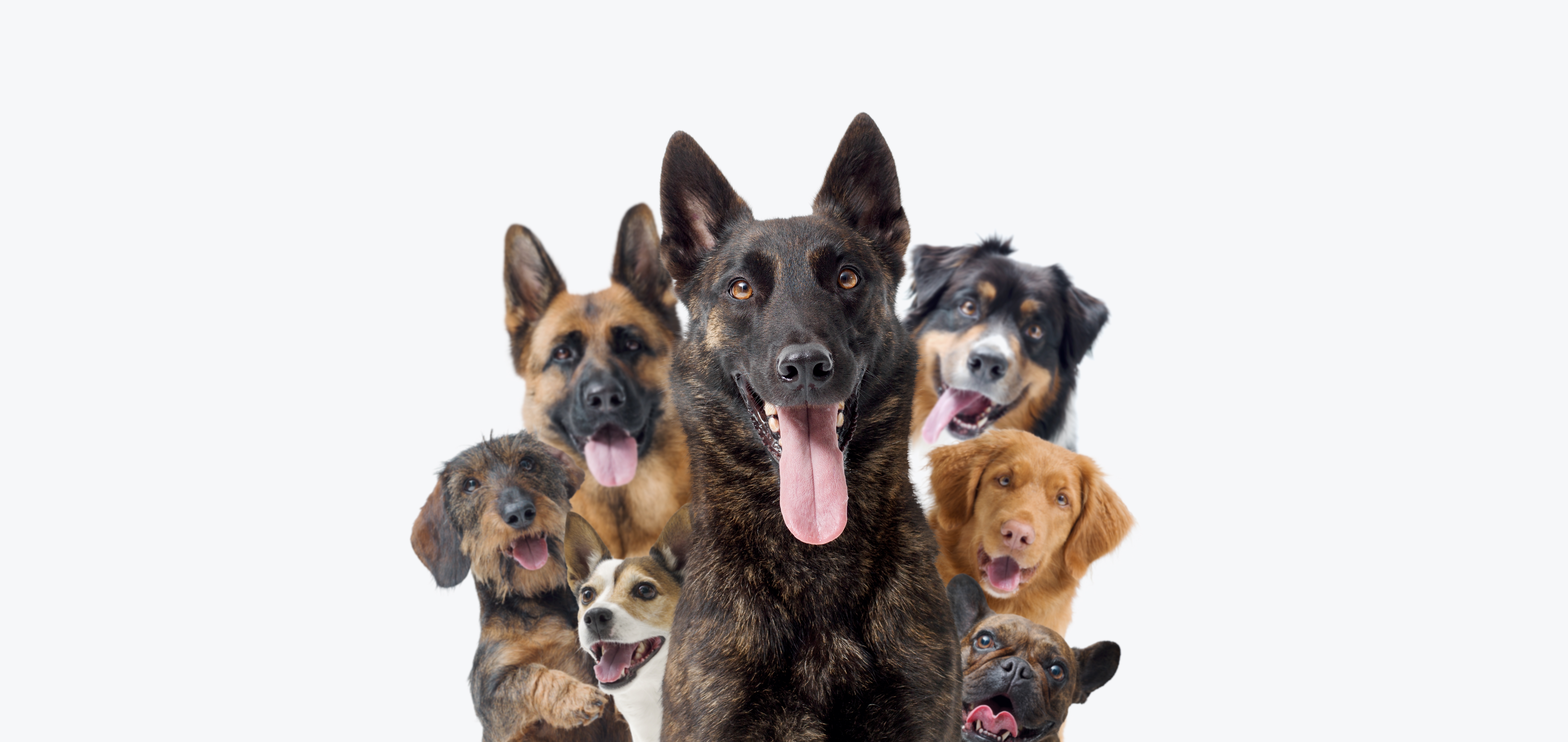
The family protection dog market has surged in recent years, driven by rising security concerns and the visibility of elite trained dogs on social media. But the gap between the marketing and the reality is significant — and the decisions families make in this space have real consequences for their households, their communities, and the dogs themselves. Here is what you actually need to know.
What Protection Training Actually Involves
The term "protection dog" covers a wide range of training levels, from basic deterrence work to full personal protection dog (PPD) programs. The most rigorous and internationally recognized framework is IPO/IGP (formerly Schutzhund) — a three-phase sport that evaluates tracking, obedience, and protection. Titles like IGP1, IGP2, and IGP3 represent verifiable, independently judged performance levels. A dog earning an IGP3 has demonstrated not just bite work but extraordinary obedience and tracking ability across hundreds of hours of training.
What protection training is not: teaching a dog to be aggressive. The central goal is controlled apprehension — the ability to engage a threat on command and, critically, to disengage on command. A properly trained protection dog has more impulse control than most family pets, not less. The bite work is the smallest and most manageable piece of the discipline. The obedience foundation is what makes the dog safe.
Training to a functional personal protection standard typically takes 18 to 24 months of consistent professional work. A fully trained adult PPD from a reputable program costs $15,000 to $60,000, reflecting that investment. Owner-trained dogs going through club programs — training alongside professional handlers — typically spend $5,000 to $12,000 over the same period, with the trade-off being more personal time commitment and a slower progression through titles.
The Dog Question: Breed, Origin, and Temperament
The protection dog world has historically centered on specific working breeds — German Shepherd Dogs, Belgian Malinois, Dutch Shepherds, Rottweilers, Dobermans. These breeds were developed for exactly these functions and have demonstrably consistent working drive and trainability profiles. That is not an accident, and it is not snobbishness — it is a practical reality of genetics and purpose breeding over generations.
However, dogs from those breeds purchased from sport or working breeders are not the only capable candidates. Working-line dogs from rescues or rehoming situations — particularly European imports that ended up in American shelters due to their energy and drive being unmanageable for average households — have produced excellent protection prospects in the hands of experienced handlers and trainers. The temperament assessment matters far more than the paperwork. A confident, social, handler-focused dog with appropriate drive is the candidate, regardless of origin.
What does not work: selecting a dog for protection work because it is already showing anxiety, fear-based reactivity, or aggression. Building protection work onto an unstable temperament does not create a reliable protection dog. It creates a liability. Legitimate protection trainers will decline to work with a dog whose temperament is not suitable, regardless of what the owner wants or how much they are willing to pay.
Is Protection Training Right for Your Family?
Families who may be good candidates: Active households committed to ongoing training for the dog's entire working life. Owners who have experience with high-drive working dogs. Families with securely fenced property and structured daily routines. People who understand that a protection-trained dog requires more engagement and supervision than a pet — not less.
Families who are not good candidates: Anyone seeking a dog that will "guard the property" without ongoing work. Households where the dog will spend significant time alone or unsupervised. Families looking for a deterrent dog who will also greet every visitor enthusiastically. People whose primary motivation is social status rather than a genuine security need that other measures cannot address.
The most common protection dog buyer regret: underestimating the ongoing commitment. A $45,000 fully trained PPD that does not receive continued maintenance training and handler practice degrades. The training investment does not sustain itself without work.
Choosing a Trainer or Program
Legitimate protection training programs share common characteristics: transparent methodology, verifiable credentials (titling records, club affiliations, client references), willingness to let prospective clients observe training sessions, and clear communication about what a dog can and cannot reliably do. Trainers affiliated with DVG (Deutscher Verband der Gebrauchshundsportvereine), USCA (United Schutzhund Clubs of America), or national IPO federations operate within frameworks that provide accountability through sport titling and club oversight.
Warning signs: promises of a "fully trained" dog in less than 12 months, trainers who use excessive aversive pressure in training sessions, programs that refuse to provide client references or let you see the dog train in person, and any trainer who dismisses temperament selection as unimportant. The best protection trainers are proud to show their methods precisely because their methods are humane, systematic, and transparent. They build dogs. They do not manufacture illusions of capability.
Ask to see title certificates, not just marketing materials. Ask about the dog's training history in detail. Ask what the dog's maintenance requirements are after placement. The answers to those questions tell you more than any demonstration video.
Documentation and Transparency
A protection dog — or any dog being trained for a protection role — should have a documented training history: what has been trained, what level has been achieved, what the dog's temperament evaluation showed, and what the ongoing maintenance program looks like. This documentation protects you as the owner, protects the trainer's reputation, and in the event of any incident involving the dog, provides the clearest possible picture of the dog's training status and what it was and was not trained to do.
Whether a protection dog came from a high-end European import program, a working-line American breeder, or a rescue dog identified as a working candidate, the documentation of its training history has the same value. See what's been recorded. See what's missing. Decide whether the program is giving you the transparency you need to make an informed decision.
Check the DogFacts
Search our directory of 1,700+ breeders, rescues, and shelters. Every profile shows available documents, health records, community reviews, and trust indicators — from purebreds to mixed breeds, breeders to rehomers.
Search All Dogs